
MAY 2026
‘Support for early school leavers’ in Lycée professionnel hippolyte carnot, roanne, france

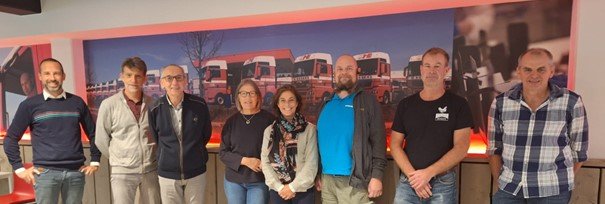
🇪🇺 Accueil au Lycée Professionnel Carnot pour nos partenaires européens 🇫🇮🇧🇪🇸🇪🇲🇫
Cette semaine, nous avons eu l’honneur de recevoir des collègues de l’AtlasCollege (Belgique), Sataedu (Finlande) et Södra Viken (Suède) dans le cadre du projet #Erasmus+ SWIPE ! 🎓✨
L’objectif ?
Créer une boîte à outils pour prévenir le décrochage scolaire, un enjeu crucial pour l’avenir de nos jeunes.
📅 Deux jours riches en échanges et en découvertes :
✅ Matinée 1 : Présentation des dispositifs français pour repérer et accompagner les élèves en risque de décrochage.
✅ Après-midi 1 : Immersion avec nos élèves de 1ère pour un TP en situation réelle – livraison de marchandises à l’association humanitaire ALICE.
Donner du sens aux apprentissages, c’est aussi les motiver ! 🚛💙
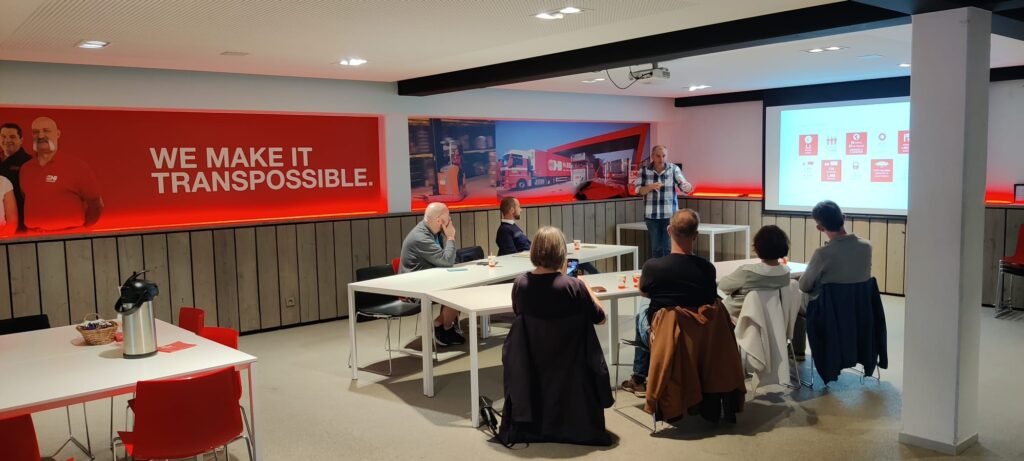
✅ Matinée 2 : Visite des TRANSPORTS LTR – VIALON pour illustrer la collaboration école-entreprise, un levier puissant contre le décrochage.
✅ Clôture en beauté: Un road trip touristique pour partager la richesse de notre région et renforcer les liens entre partenaires.
🌟 Un grand merci à tous les intervenants, issus du monde de l’éducation, direction et enseignants et du monde professionnel, en particulier Fiona GUILLOT 👆 et toute son équipe pour leur engagement et leurs contributions précieuses.
Ce projet, qui nous a déjà menés en Belgique, Suède, Finlande et France, s’achèvera en mai 2027 avec la présentation officielle de la boîte à outils SWIPE.
Restez connectés pour la suite ! 🔜
#ErasmusPlus #SWIPE #Éducation #PréventionDécrochage Lycée Hippolyte CARNOT #CollaborationEuropéenne #InnovationPédagogique
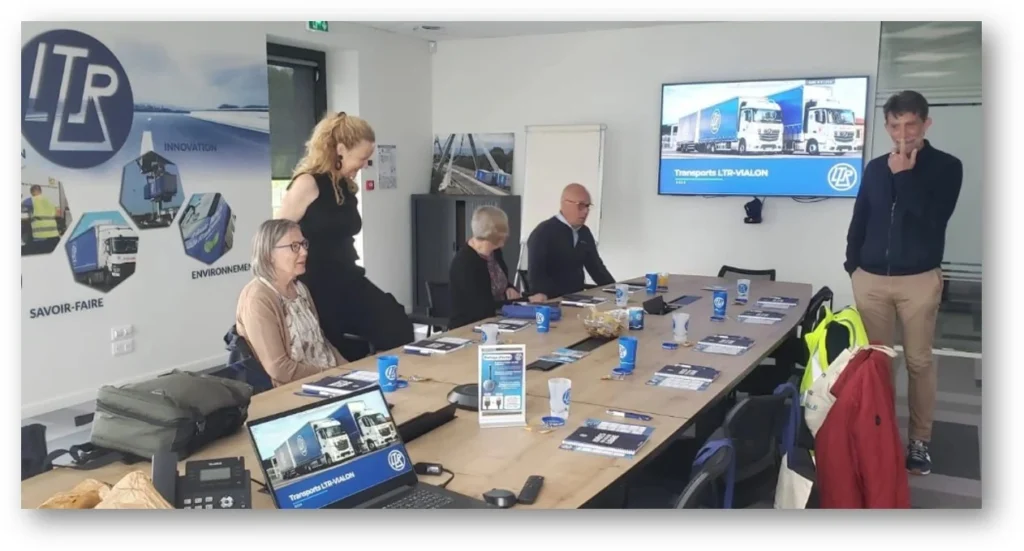
Visite des TRANSPORTS LTR – VIALON pour illustrer la collaboration école-entreprise, un levier puissant contre le décrochage
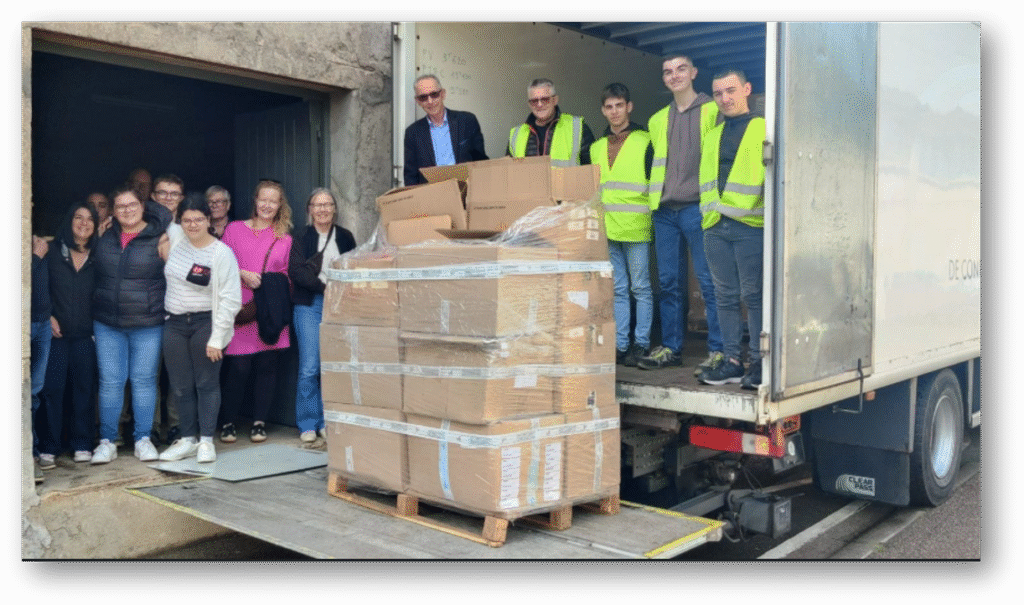
Immersion avec nos élèves de 1ère pour un TP en situation réelle – livraison de marchandises à l’association humanitaire ALICE
MARCH 2026
‘innovative teaching and learning practices’,Sataedu, Finland
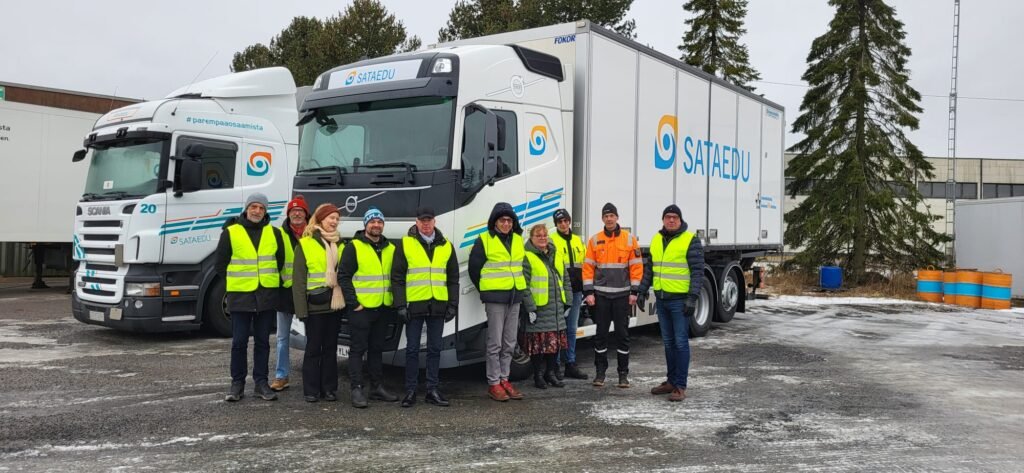
The SWiPE team focused this time on “Innovative Teaching and Learning Practices”.
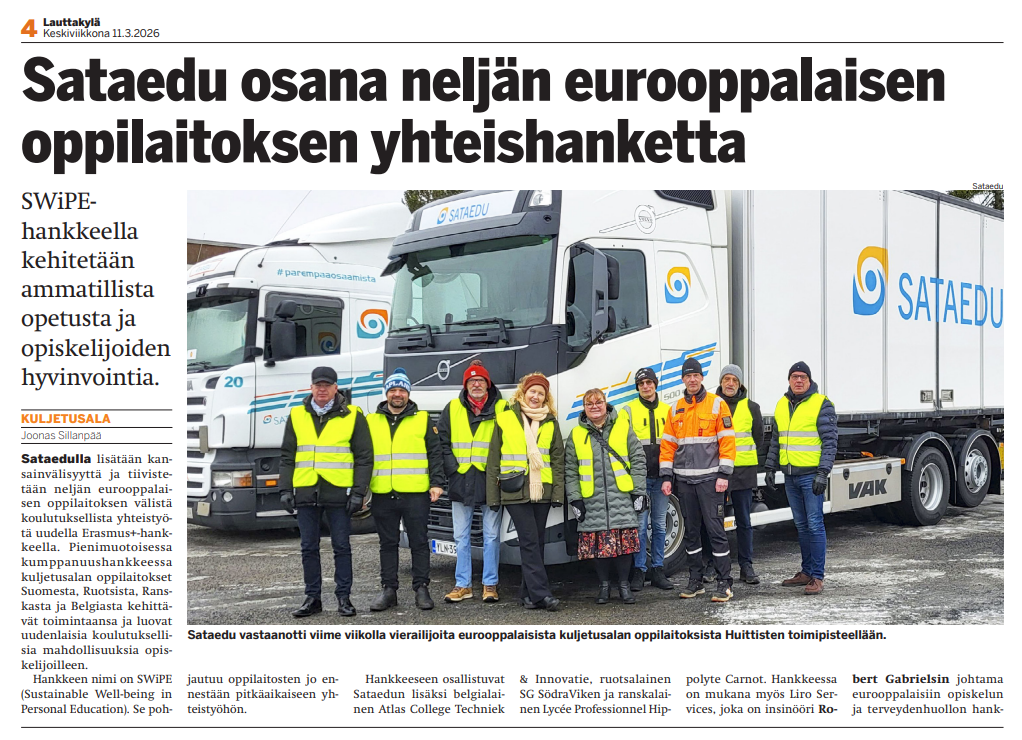
Sataedu as part of a joint project involving four European educational institutions
The SWiPE project aims to develop vocational education and students’ well-being.
Sataedu is enhancing its international profile and strengthening educational cooperation between four European educational institutions through a new Erasmus+ project.
In this small-scale partnership project, transport sector educational institutions from Finland, Sweden, France and Belgium are developing their activities and creating new types of educational opportunities for their students.The project is called SWiPE (Sustainable Well-being in Personal Education).
It is based on the educational institutions’ long-standing collaboration.
In addition to Sataedu, the project involves Belgium’s Atlas College Techniek & Innovatie, Sweden’s SG SödraViken and the French Lycée Professionnel Hippolyte Carnot.
The project also involves Liro Services, a company led by engineer Robert Gabriels that specialises in European education and healthcare projects.
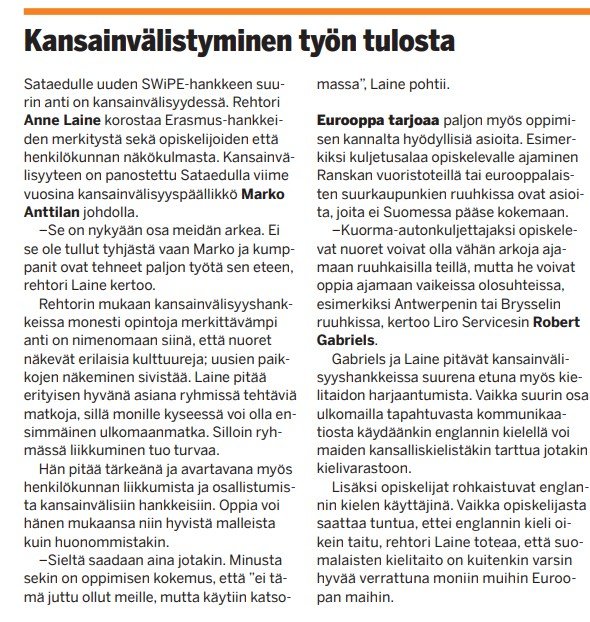
Kansainvälistyminen työn tulosta = Internationalisation: the result of our work
For Sataedu, the greatest benefit of the new SWiPE project lies in its international dimension.
Principal Anne Laine emphasises the importance of Erasmus+ projects from the perspective of both students and staff.
Sataedu has been investing in internationalisation for many years under the leadership of Head of International Affairs Marko Anttila. ‘It’s now part of our everyday life. It didn’t just happen out of the blue; Marko and his colleagues have put a lot of work into it says Principal Laine.
According to the principal, in international projects, the benefit that is often more significant than the studies themselves lies precisely in the fact that young people are exposed to different cultures; seeing new places broadens the mind.
Laine considers group trips to be particularly beneficial, as for many it may be their first trip abroad. In such cases, travelling as a group provides a sense of security.
He also considers it important and eye-opening staff taking part in and participating in international projects. According to him, lessons can be
learnt from both good examples and less successful ones.
You always get something out of it. I think it’s also a learning experience to realise, ‘this wasn’t for us, but we went along to see “the crowd”, Laine muses.
Europe also has a lot to offer in terms of learning. For example, for someone studying transport, driving on the mountain roads of France or in the traffic jams of major European cities are experiences you simply cannot have in Finland.
Young people training to be lorry drivers may be a bit nervous about driving on congested roads, but they can learn to drive in difficult conditions,
such as in the traffic jams of Antwerp or Brussels, explains Robert Gabriels of Liro Services.
Gabriels and Laine also consider the development of language skills to be a major benefit of international projects. Although most communication abroad takes place in English, students can pick up a few words from the national languages of the countries they visit.
Furthermore, students gain confidence as English speakers. Although a student might feel that their English isn’t quite up to scratch, Headteacher Laine points out that Finns’ language skills are actually quite good compared to many other European countries.
NOVEMBER 2025
“Strengthening Women in Transport:”Inclusion and Diversity at SG Södra Viken, Sunne, Sweden”.
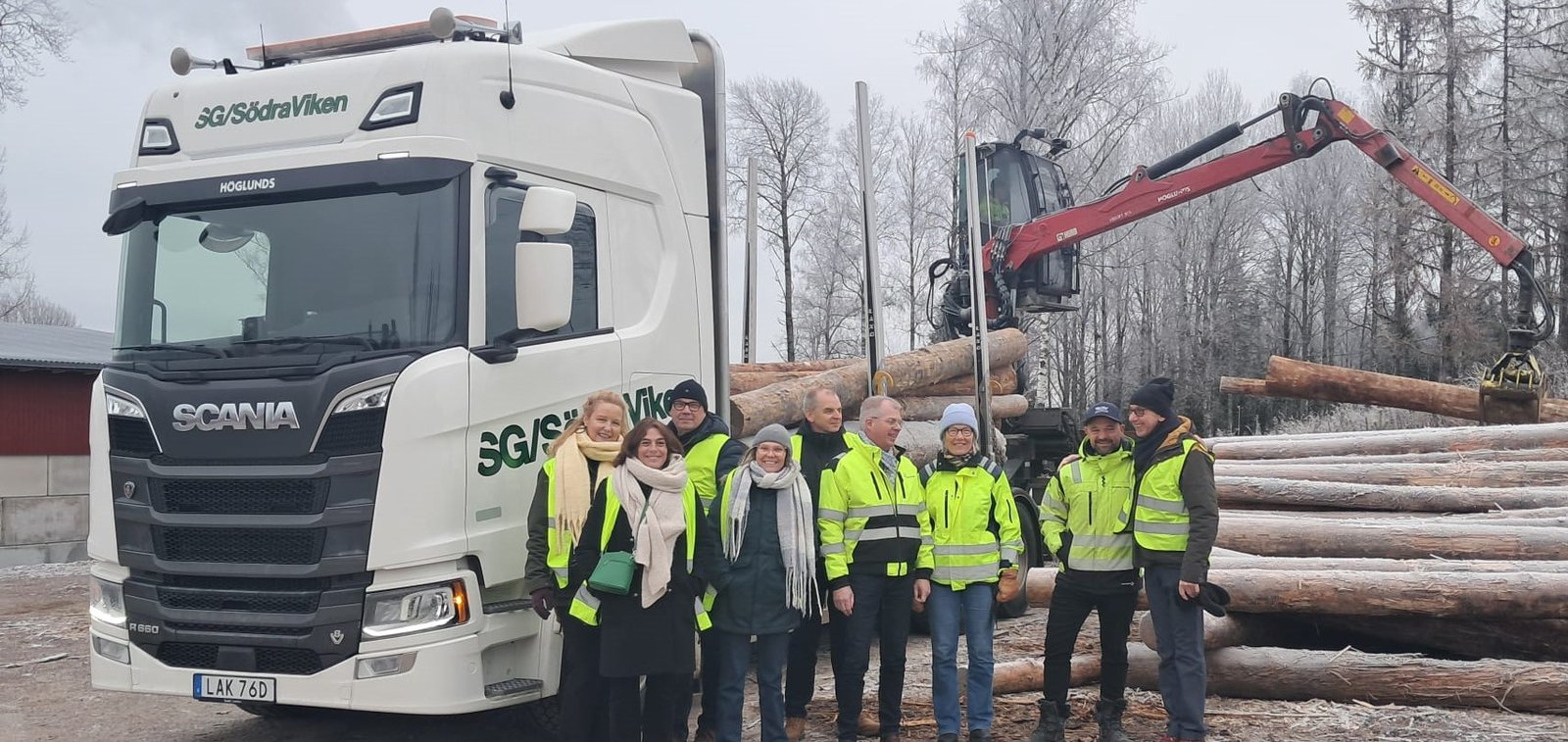
The SWiPE team focused this time on “Inclusion and Diversity”.
Young female students shared why they chose to pursue a career as truck drivers.
According to a Swedish study (TYA), the job of truck driver ranks 8th in the category of “Dream Job”. More and more women are finding their way to these types of jobs in Sweden. Therefore, there is certainly work to be done, especially for France and Belgium. On the other hand, they are also looking for more drivers there to secure the future for both men and women. The demand for the future is very high.
School Overview and Programs
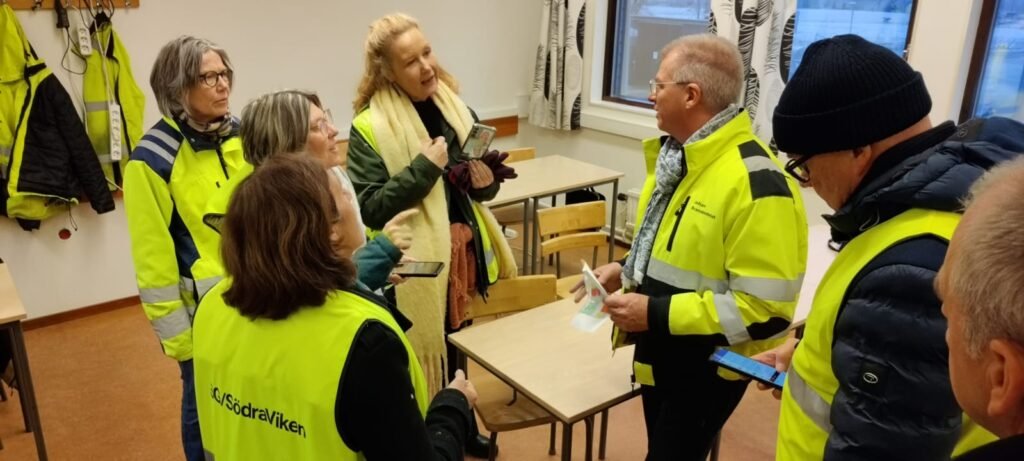
- School founded in 1947, originally focused on forestry; truck-driving education added in the early 2000s.
- Current scale 260 students; boarding capacity 120 beds.
- Campus layout: student houses, classrooms, expedition; new buildings and practice areas for trucking and a service station; forestry practice starts on campus and continues in the forest.
- Transport program admits 48 students annually; Natural Resource program (forestry specialization) admits 32 annually.
- Student origins: Primarily from the province, including areas near the Norwegian border; mix of countryside and city backgrounds.
Conclusion: A specialized regional institution in transport and forestry with boarding and extensive practical training facilities.
Transport Training Structure and Licensing
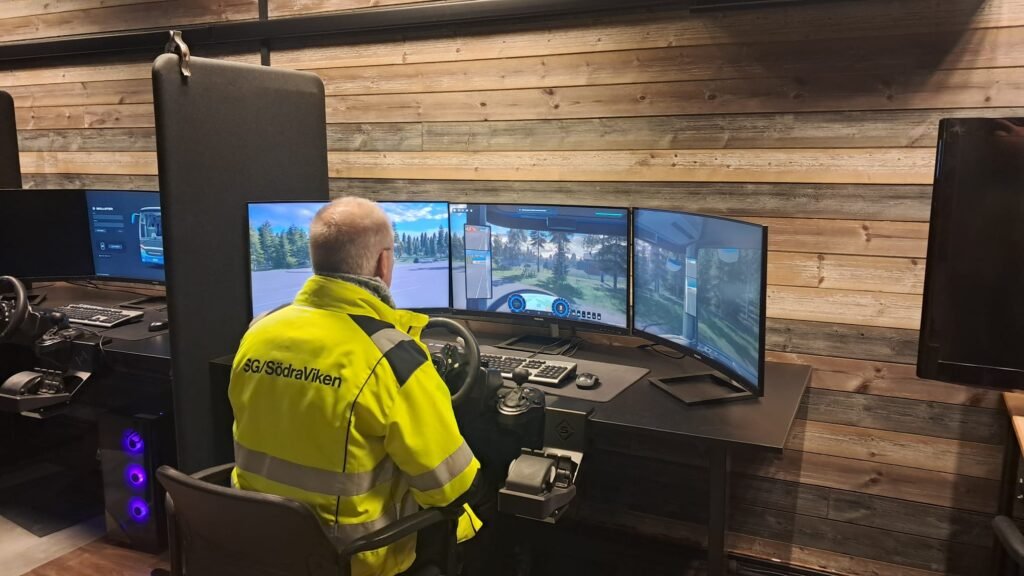
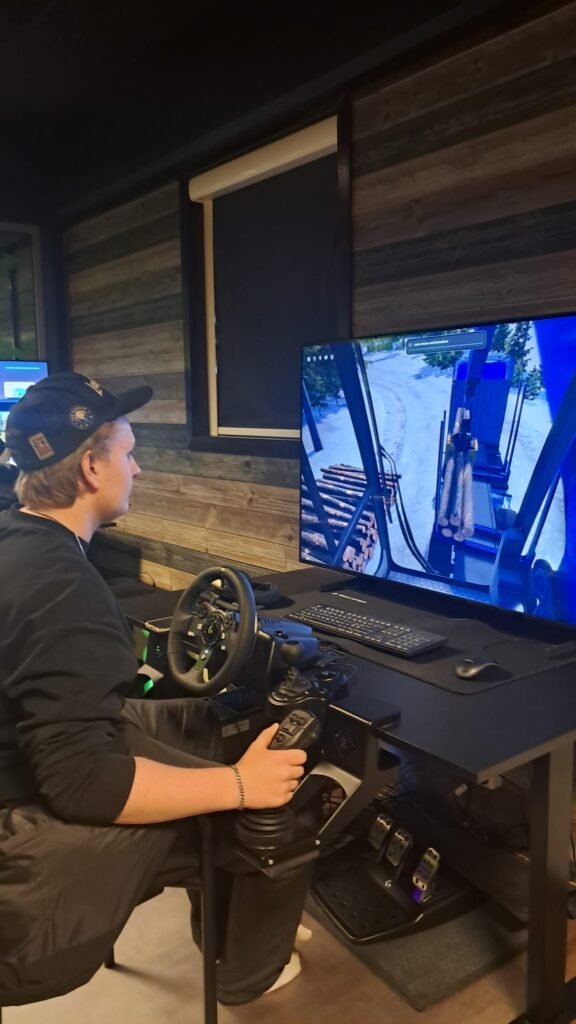
- Training philosophy: Educate students to think like drivers (soft skills and responsibility), not just operate vehicles.
- First year: General subjects (Swedish, English, history, social science, math) plus vehicle/service station basics; controlled practice course driving (gears, vehicle space, tracks), not on public roads.
- Second year: Begin road driving; transport specialization starts.
- Licensing: Students must be 18 for licenses; CE (with trailer) achieved upon graduation. The school has four examiners and conducts examinations internally.
- International comparisons:
- Belgium: Students now finish without licenses at school; must obtain them through external organizations due to government changes.
- France and Finland: In-school licensing for C and CE over years 2–3; B license remains external/state; students must be 18.
Conclusion: A structured pathway culminating in CE licensing at graduation, emphasizing both technical and soft skills.
Forestry Training and Industry Context
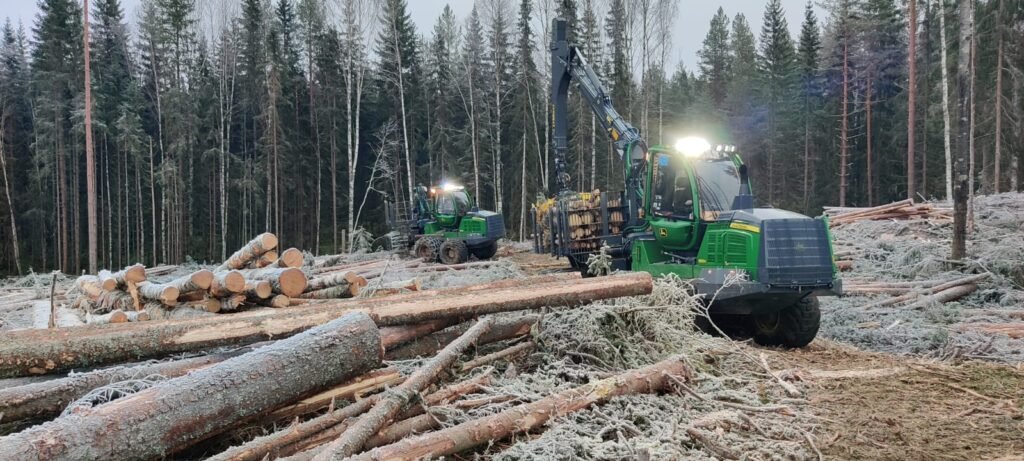
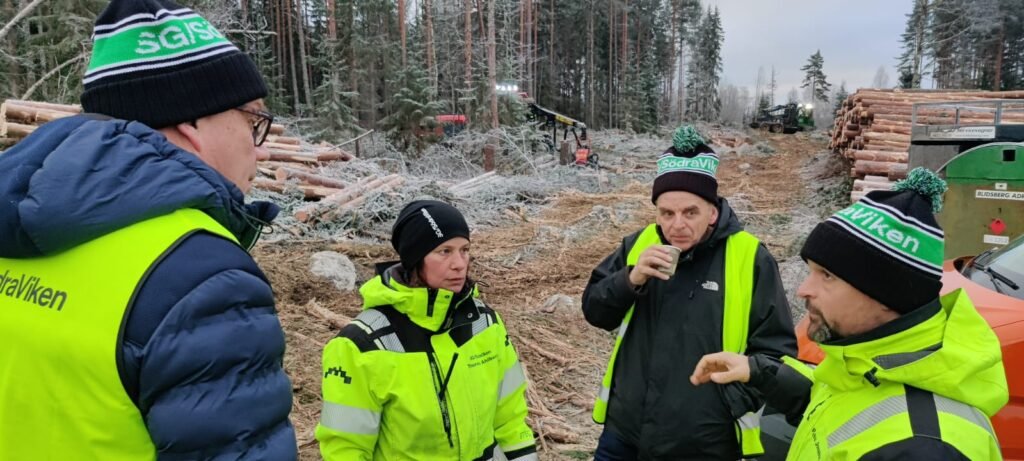
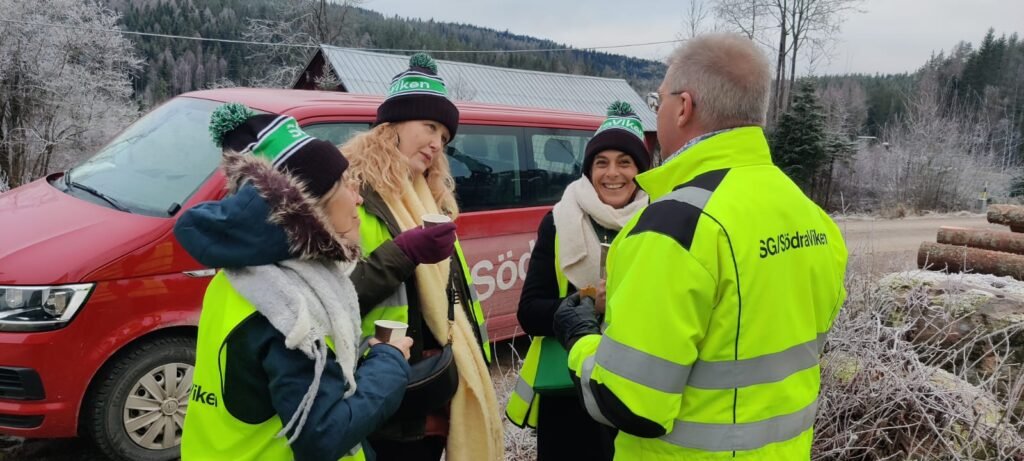
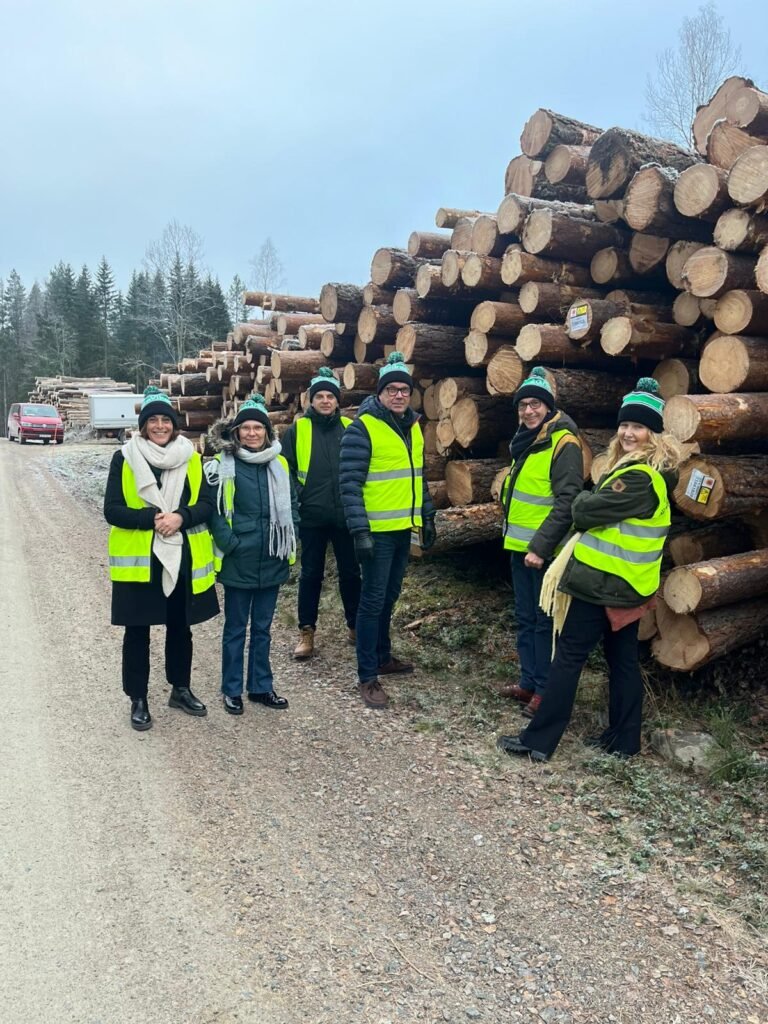
- Equipment: Forwarder, harvester (final year), excavator; linked to timber truck logistics.
- Environmental practices: Students learn biology, forest protection, water/bridge management, route planning; avoid operations in poor conditions (e.g., heavy rain); compliance to avoid penalties.
- Industry partnership: Active industry council with transport and labor representatives; four meetings/year; support internships and curriculum focus aligned with market conditions.
- Debate on forestry/carbon sink: Ongoing national/EU-level debates similar to Finland; issues include species mix, climate change, pests, clear-cutting, and replanting cycles (~80 years for spruce/pine).
- Regional demand: Local need for drivers linked to mills and the paper industry (e.g., Stora Enso); many graduates work locally.
Conclusion: Forestry education balances production, sustainability, and legal compliance, guided by continuous industry dialogue.
Interview: Swedish Female Truck Driving Students
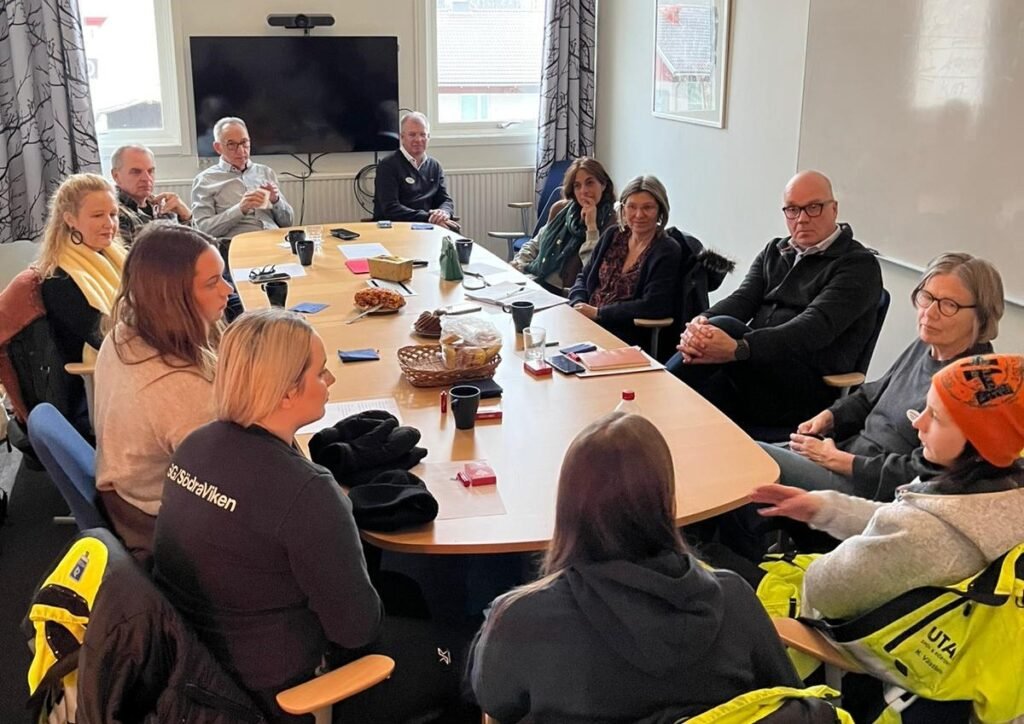
Swedish female students in a truck driving program share motivations, experiences, and future plans. They chose trucking for its practical, hands-on nature and immediate employment after upper secondary school, preferring work over university for now. The conversation covers the shifting perception of women in trucking, the need for supportive mentors during internships, and contrasts in work-life policies (like parental leave) between Sweden and other European countries.
Key Points
- Young women in Sweden enter trucking for a practical, hands-on job straight after secondary school, preferring immediate work over university.
- Sweden’s education system allows vocational students (e.g., trucking) to retain university eligibility, offering flexibility and a safety net.
- Internships are critical, exposing students to different trucking roles (e.g., milk transport, gravel hauling) to find a good fit; placements can be hard to secure.
- Acceptance of female truck drivers in Sweden is growing, influenced by media and societal change, making it more common than in countries like Belgium.
- Effective internship mentorship is essential: students value mentors who let them try first, then provide constructive feedback, especially for reversing and unloading.
- Sweden’s generous, mandatory paternal leave contributes to gender equality, making it easier for companies to employ women in traditionally male-dominated fields.
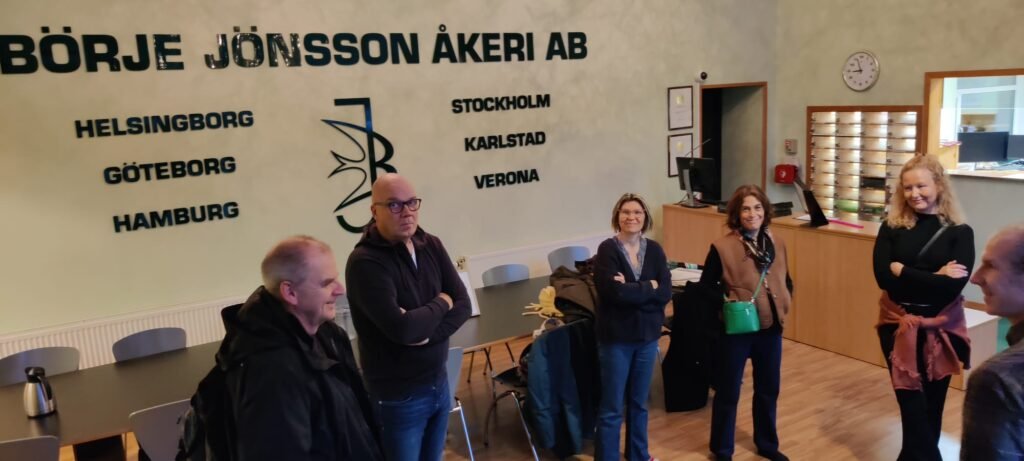
visit Börje Jönsson Åkeri, Örsholmen (Välsviksleden 214, Karlstad)
- Collaboration with Schools
The company actively collaborates with local schools by taking on students for internships. This is seen as a mutually beneficial arrangement, providing help to the company while giving students practical experience in the food and regular cargo side of the transport business, which differs from the popular wood-hauling sector. - Recruitment and Development of New Drivers
The company has had success hiring young drivers directly from school, including a young woman. They are developed gradually, starting with simple, supervised tasks and progressing to more complex trips. This careful onboarding helps build their skills and confidence. - Female Drivers in the Industry
While the number is small (e.g., 2 out of 30 in one group), female drivers are valued. An experienced female driver, nearing retirement, is described as a “grandma” to new hires, mentoring them and being a very good driver. The physical demands of the job are less of a barrier now due to modern equipment.
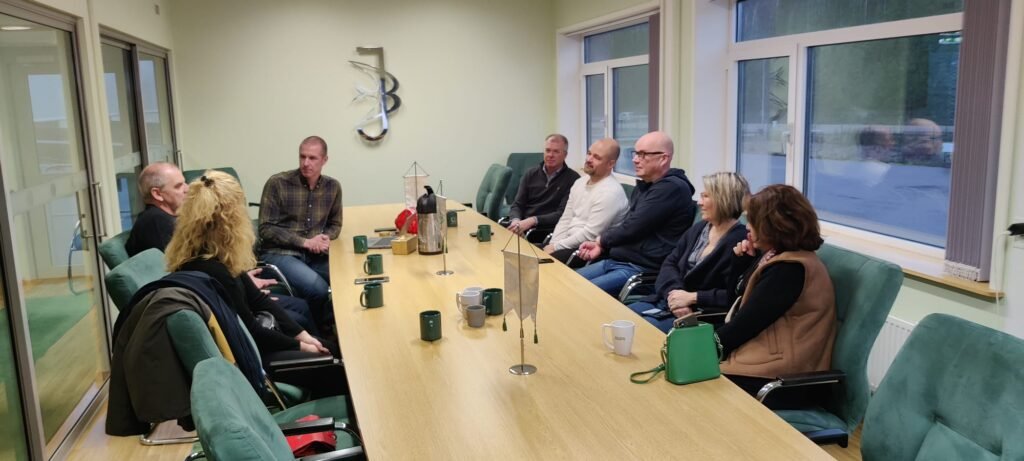
Sweden Trucking Labor Market, Gender Inclusion, TYA Collaboration

1. TYA and the Swedish Collaborative Model
- Identity and mission
- TYA is the Transport Union’s Occupation and Work Environment Committee, a joint non-profit owned by unions and transport companies.
- It develops the transport industry with social partners, securing skills and creating safe, sustainable jobs.
- Activities: training materials for schools, advice and business intelligence, collaborative workplace solutions.
- Operates under a non-profit mandate to support employees and improve working conditions annually.
- Sectoral presence and comparisons
- Analogous bodies may exist in other Swedish sectors (e.g., hospitals/nurses), though details vary.
- IRU in Europe is not equivalent to TYA’s model.
- Belgian participants note unions and companies are more adversarial; Sweden’s ownership structure fosters collaboration.
2. Labor Market Demand and Hiring Figures
- National and provincial needs
- 10-year need: 50,000 new truck drivers (retirements, career changes).
- Short term nationwide: 2,200 hires in next 6 months; 4,080 in next 12 months.
- 49% of companies hired in the last 12 months; 34% of new hires have <1 year experience.
- Economic context and segments
- Global downturn impacting the industry; timber transport decline noted.
- Provincial estimates and school capacity (Värmland)
- 28% of companies expect to hire next year.
- 69 hires needed in next 6 months; 73 in next 12 months.
- Four local transport schools with 118 students; alignment of capacity and demand is debated.
3. Gender Dynamics in Truck Driving
- Participation rates and trends
- Women are 11% of current drivers (up from 6% in 2015).
- 18% of newly hired employees in 2024 were women nationwide.
- In Värmland, 30% of those employed were women; 34% of transport school students nationwide are women.
- Segregation patterns
- Horizontal: men and women choose different industries.
- Vertical: differing occupations within industries due to working conditions.
- Women increasingly enter male-dominated programs in Sweden, drawn by status and conditions.
- Perceived advantages of women drivers
- Companies report women drive more carefully, economically, and cause less cargo damage, positively shaping culture.
4. Wages, Contracts, and Working Hours
- Sweden’s wage structure
- Union-book standardized pay: 180 SEK/hour (~18 EUR).
- Typical monthly reference: ~3,250 EUR at 40 hours/week; overtime raises pay.
- Many start on hourly pay; reliable drivers may move to monthly contracts.
- Monthly pay can adjust with fewer hours; no split rates for driving vs. loading.
- Pay parity across genders; variations depend on age/experience.
- Comparisons
- Belgium: ~14 EUR/hour plus extras; long days (12–15h). ~3,500 EUR/month may require ~60h/week (pre-tax).
- Luxembourg: example ~4,500 EUR/month on fixed rates regardless of daily hour variability.
5. Vocational vs. Academic Pathways
- Market strength and employment prospects
- Vocational labor market is stronger due to skill shortages; university market more saturated.
- Flexibility and lifelong learning
- Vocational graduates can proceed to university immediately or later.
- Adults may retrain; options include full-time study or work-study combinations.
- Government support: low-interest student loans (~1,100 EUR) plus grants; subsidies available without loans.
6. Trailer Handling and Safety
- Safety mechanisms (locks and release wire)
- Specific trailers have a small release wire (vajer) that must be engaged to unlock before unloading or adjusting the container.
- Clear visual indicators show engaged vs. disengaged lock states for verification.
- Handling ease and capacity
- Rangering is smooth and beginner-friendly; trailers can handle heavier loads without compromising maneuverability.
7. Driver Mindset, Incident Example, and Accident Awareness
- Solution-focused mindset
- Emphasis on prioritizing solutions over problems in unpredictable environments.
- Borlänge incident
- During a final stop to tip and move the container forward, a lock was not fully released, causing a mishap—highlighting the need for checks and visual confirmation, especially for novices.
- Accident risk awareness
- Historical case: lost thumb from a “steering knot,” underscoring long-standing safety hazards and vigilance.
8. Attracting Women: Explanations and Strategies
- Explanations for attraction to trucking
- Social: changing norms, customer service orientation.
- Regulatory/safety: improved work environment rules align with priorities.
- Digitalization and evolving requirements increase appeal.
- Organizational: better leadership, reduced stereotypes, improved conditions.
- Individual: visible role models and stable employment prospects.
- Role models and media
- Influencers (e.g., Angelica Larsson, Polish driver influencer) showcase resilience and routines.
- Increased female instructors (Stina, Louise, Matilda, Elin) normalize presence and mentorship.
- Inclusive culture
- Emphasize safety, welcoming environments, valuing diverse experiences, and countering old prejudices.
9. Outreach, Erasmus, and Student Recruitment
- School outreach methods
- Open houses; traveling roadshows with trucks/trailers; 9th-grade Q&A; “girls talk” program connecting young women with female drivers.
- Erasmus mobility
- Broadens horizons; may encourage interest in long-haul/international transport despite preference to be home evenings.
- Examples: Swedish female students (Freja, Tilda) in Belgium; videos shared via Teams/YouTube.
- Promotion via social media
- Companies/public institutions use Facebook and LinkedIn to highlight achievements, including the first female participant at the French truck driving championship, to attract diverse entrants.
10. Regional Context and Job Preferences
- Urban vs. regional differences
- Värmland’s higher female employment may reflect regional job types (wood, gravel, factory logistics) and long-distance transport needs.
- Larger cities offer broader alternatives (hospitals, offices), affecting trucking interest.
- Student motivations
- Choices around age 16 influenced by school reputation, boarding, food, peers, and local culture.
- Many without family transport backgrounds gain interest at school and may remain in the field.
OKTOBER 2025
The Technology & Innovation department of the Atlas College in Genk has launched the Erasmus+ project “Sustainable Well-being in Personalized Education”.
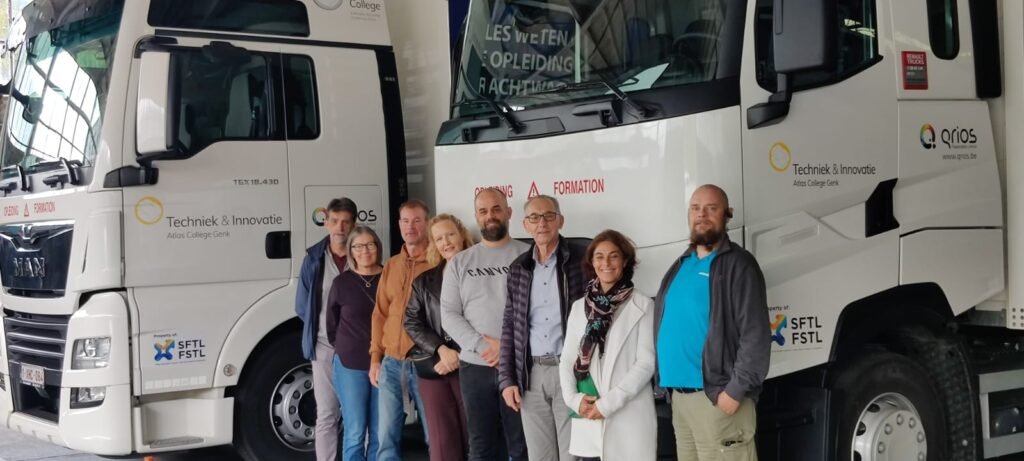
The Technology & Innovation department of the Atlas College in Genk has launched the Erasmus+ project “Sustainable Well-being in Personalized Education”. An initiative focused on improving well-being, motivation, and inclusion among young people in vocational education. The project brings partners from Belgium, Sweden, France, and Finland together, who are pooling their strengths to reduce school dropout rates and make vocational education more attractive.
In many European countries, including Belgium, too many young people drop out of their education prematurely. This not only leads to missed opportunities for work but also to social and mental challenges.
“Sustainable Well-being in Personalized Education” investigates how mental health, positive guidance, and diversity contribute to more learning opportunities and self-confidence in young people.
Team members interview first-year truck driver students
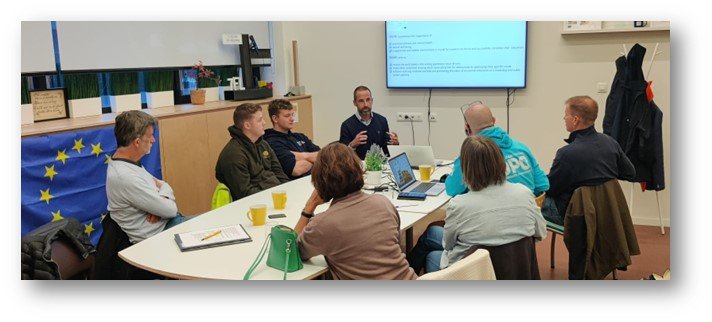
Both students are 16 years old and come from rural areas. The parents of the first student have a cow milk company, while the parents of the second student have a hoisting company.
It is noteworthy that the parents of both students support their children’s decision to pursue training as lorry drivers.
The two student drivers were rated as ‘excellent’ and ‘great’.
They are not expected to be early leavers, as they have a clear goal and a realistic view of the work.
The English language was certainly not a barrier during the interview.
Pedagogical approach explained by the student car coordinator and the first line students counsellors
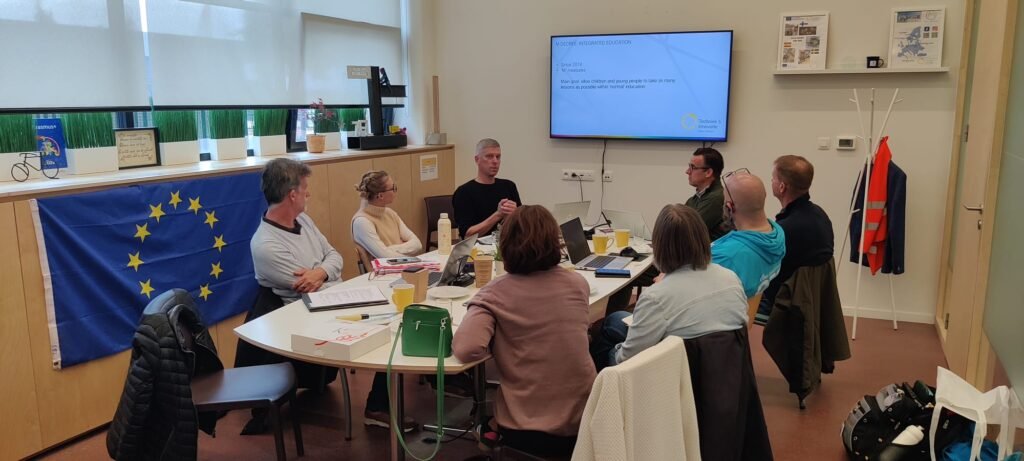
The presentation covers the structure of the Flemish education system, with details about Atlas College, the provisions for special education via the M-Decree, and the phased “Care” model used to support students with different needs.
Special Education and the M-Decree
• Progress:
o Almost half a million students attend secondary education in Flanders.
o Unlike countries such as France and Sweden, Flanders also offers separate schools for special education. There are nine types.
o More than 50,000 students in Flanders attend special education.
o In 2014, the government introduced the M-Decree (M for “measures”) to create equal opportunities.
o The aim was to enable children to attend regular education classes as much as possible.
o Schools were given tools and funding to support this.
• Problems and risks:
The group of students with additional needs is growing year on year.
Comparison of Education Systems
The Belgian system is compared with those of Finland and France. Finland is praised for its investment in education, something that Belgium does not do despite recognising its usefulness due to budget constraints. Compared to France, classes in Belgium are considerably smaller (e.g. 14-24 pupils versus 25-35) and support staff are better trained and paid, which makes the situation in Belgium more favourable.
Comparison with France and Scandinavia
• Progress: Finland is praised for its investment in the education system, but Belgium does not apply this lesson due to budget cuts. In the school discussed, there are classes with a maximum of 14 pupils (second grade) or 24-30 in general subjects, which is much smaller than in France. Belgium, like Sweden and Finland, has a system of external guidance (CLB), similar to a school counsellor.
• Problems and risks: In France, classes are very large (24 to 35 students) with many difficulties, which is described as “impossible”. Support staff in France are often poorly trained and poorly paid (700 euro per month).
Changing Student Profile in Vocational Education
The profile of vocational students has changed over the last 20 years. Many students now choose vocational education because they are unmotivated, do not want to attend school, or want to earn money as quickly as possible, rather than because they have a genuine interest in a subject.
Parental involvement
• Progress: The school strives for a ‘perfect triangle’ between pupil, teacher and parents. Initial contact with parents is by telephone. If a red card is issued, parents must come to the school to sign a contract.
• Problems and risks: The main cause of student misbehaviour is upbringing at home; there is a mismatch between the rules at home and at school. It is difficult to contact parents and motivate them to attend parent meetings. Parents’ attitudes change: first they are cooperative, later they become defensive and turn against the school.
Comparison with the Finnish System
• Progress:
o In Finland, the biggest problem is truancy, not misbehaviour.
o Finnish law requires pupils to attend school until the age of 18.
o Finland works with “multidisciplinary teams” (teacher, coach, nurse, psychologist, etc.) to discuss problems, often together with the parents.
o Similar consultations take place in Belgium, but without the presence of the families.
• Problems and risks:
o The Finnish system struggles with truancy. A school can expel a pupil with many absences (e.g. 100 hours), but the municipality can oblige the school to take the pupil back.
Suggestions / ‘Provisional’ Evaluation
There is an immediate risk that two to three pupils will be expelled from school due to behavioural problems, which largely stem from a lack of structure in their home situation. This problem is exacerbated by the very difficult cooperation with the parents concerned. As soon as exclusion is mentioned, they adopt a defensive attitude, which undermines the “triangular dialogue” (school-parents-pupil) and blocks a constructive solution.
Identify root causes of early leavers
(H.Essers, Patrick Renckens: Coordinator Resources)
Regulations, compliance and administrative burden
There is frustration about increased regulations: driving and rest times, cargo insurance, new tachograph requirements, on-board computers, and mandatory tachograph use during loading and unloading.
Forgotten actions lead to high fines, which reduces the attractiveness of the profession and increases financial risks.
Work ethic, expectations and generational dynamics
There is tension between what employees (especially younger people) want to receive (more luxury, less work) and what companies can give.
It is emphasised that one must first give before one can receive. Four-day working weeks are possible, but with a proportional wage adjustment. Examples from other sectors illustrate similar challenges.
Intake, training, expectation management and parental involvement
There is a clear gap between the expectations of new drivers/students and reality (physical work, irregular hours, little time at home, a lot of waiting around). Training programmes such as VDAB are strong in terms of content, but intake without a realistic picture leads to rapid dropout rates. New approach: first spend three weeks riding along, then start the training programme. Schools and companies must communicate honestly; parental involvement is crucial for well-being and a more realistic perception.